
Root canal Treatment (RCT)
Root Canal Treatment: Everything You Need to Know About RCT Treatment
Introduction
Root canal treatment is a dental procedure performed when the inner pulp of a tooth becomes infected or inflamed due to deep decay, cracks, trauma, or repeated dental procedures. The infected pulp contains nerves and blood vessels that can cause intense pain if left untreated.
During the procedure, the dentist carefully removes the damaged pulp, cleans the root canals, disinfects the area, and seals the tooth to prevent future infection. In most cases, a dental crown is placed afterward to strengthen the tooth and restore its function.
What Is Root Canal Treatment?
Root canal therapy is a dental treatment conducted when the interior pulp of a tooth becomes infected or inflamed as a result of decay, injury, fractures, or multiple dental procedures. The affected pulp consists of nerve endings and blood vessels which could lead to pain.
The dental practitioner conducts the process of cleaning the infected part by removing the pulp and cleaning the root canal of the affected tooth. Then the dentist cleans, disinfects, and seals the tooth. After the process is done, a dental crown is fitted on the affected tooth to enhance its strength.
The dental experts at DAG Dental clinic & Aesthetics services undertake the process of root canal therapy without putting patients through much pain.
Signs You May Need RCT Treatment
Persistent Toothache
Pain that persists while you eat, drink, or rest is an indication that there is infection of the nerves in your tooth.
Prolonged Sensitivity to Heat or Cold
When a tooth continues to react to heat or cold even after eating such food, it indicates that something is wrong with the pulp.
Inflamed and Sensitive Gums
Inflammation in your gums could be indicative of bacteria traveling from the tooth to the gums.
Root Canal Healing Time
The root canal healing time varies depending on the severity of infection and the patient’s oral health condition. In most cases, initial discomfort subsides within a few days, while complete healing may take one to two weeks.
Patients are advised to avoid chewing hard foods on the treated side until the permanent crown is placed. Good oral hygiene practices such as brushing, flossing, and regular dental checkups can support proper healing.
Pain After Root Canal
Feeling minor discomfort in the mouth after root canal therapy is normal for a few days. The sensitivity of the affected tissues can occur during the healing period. Slight soreness when chewing is also possible; however, it disappears rather fast.
Severe pain and discomfort are not supposed to occur after the procedure. In case the patient experiences such symptoms, further dental consultation and evaluation might be needed.
At DAG Dental clinic & Aesthetics services, our patients get comprehensive information on how to care for their teeth properly after the treatment.
Book Appointment
Root Canal Before and After Results
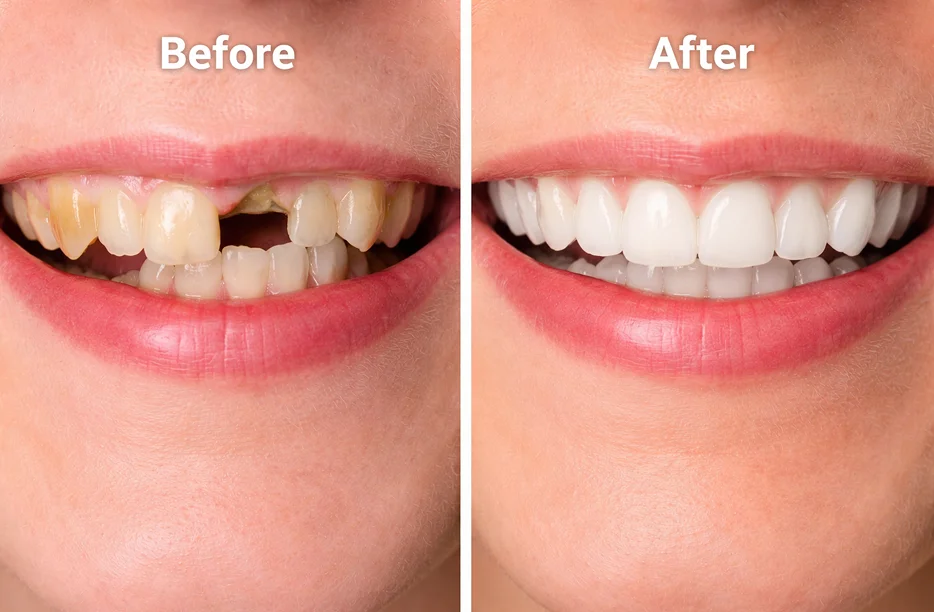
Before root canal treatment, the patient may experience pain, swelling, infection, and difficulty chewing. After the procedure, the pain will be gone, the infection will be treated, and the tooth will once again become functional.
The use of a dental crown on top of the tooth post-treatment makes it stronger and restores its aesthetics. Restorative dentistry helps people keep their beautiful smiles with their own teeth.
What our Customer Says
Posted on GoogleTrustindex verifies that the original source of the review is Google. The most amazing place for all your dental problemsPosted on GoogleTrustindex verifies that the original source of the review is Google. May nay iss clinic say apnay dantoo kee filling kerwai thee. Bhut acha experience Raha Mera is clinic per , staff bhi bhut achay thay .waha Kay dentist bhi professional thay over all dha phase 6 ka best clinic Laga mujhy yeah 👍..Posted on GoogleTrustindex verifies that the original source of the review is Google. Best dental clinic in Lahore! They did my root canal and their staff and respective dentist was professional. I am very very satisfied with their service overall. Also family friendly environment.Posted on GoogleTrustindex verifies that the original source of the review is Google. Highly recommend dental clinic in dha phase 6 Lahore. The doctors are very great and professionals. They educate me very well about everything.Over all , best experience 👍Posted on GoogleTrustindex verifies that the original source of the review is Google. Best dental clinic in lahore👍Posted on GoogleTrustindex verifies that the original source of the review is Google. Yaha say may nay skin ka laser treatment kerswaya thaa or waqai bhut acha raha seb. Yeah best clinic ha dha phase 6 may . Yaha kay dentist bhi achay say .Posted on GoogleTrustindex verifies that the original source of the review is Google. I recently had a tooth extraction at Dag Dental Clinic, and it was a very positive experience. The dentist was skilled and made sure I felt comfortable throughout the entire procedure. Everything was handled in a clean and organized way, which really helped ease my nerves. The extraction was done smoothly with minimal discomfort, and the recovery has been going well. Overall, I’m really satisfied with the quality of care and professionalism at DAG Dental.Posted on GoogleTrustindex verifies that the original source of the review is Google. I had recently undergone root canal treatment at Dag Dental Clinic, and it was an easy process. The dentist made sure to explain everything beforehand, which made me feel much more comfortable about the whole process. There was almost no pain during the treatment, and now all my tooth pain has vanished.Posted on GoogleTrustindex verifies that the original source of the review is Google. Good Dental clinic in DHA phase 6 lahore
Frequently Asked Questions
What is root canal treatment?
Root canal treatment is a dental procedure used to remove infected or damaged pulp from inside a tooth. It helps save the natural tooth, relieve pain, and prevent the infection from spreading further.
Do root canals hurt?
Modern root canal treatment is usually painless because local anesthesia is used to numb the area completely. Most patients say it feels similar to getting a dental filling.
How do I know if I need RCT treatment?
Common signs that you may need RCT treatment include severe tooth pain, prolonged sensitivity to hot or cold foods, swollen gums, tooth discoloration, pain while chewing, or a dental abscess. A dentist can confirm the need for treatment through examination and X-rays. Early diagnosis can prevent the infection from spreading further.
What causes pain after root canal treatment?
Mild pain or sensitivity after a root canal is normal and usually lasts a few days. It happens because the surrounding tissues may still be inflamed after the procedure.